

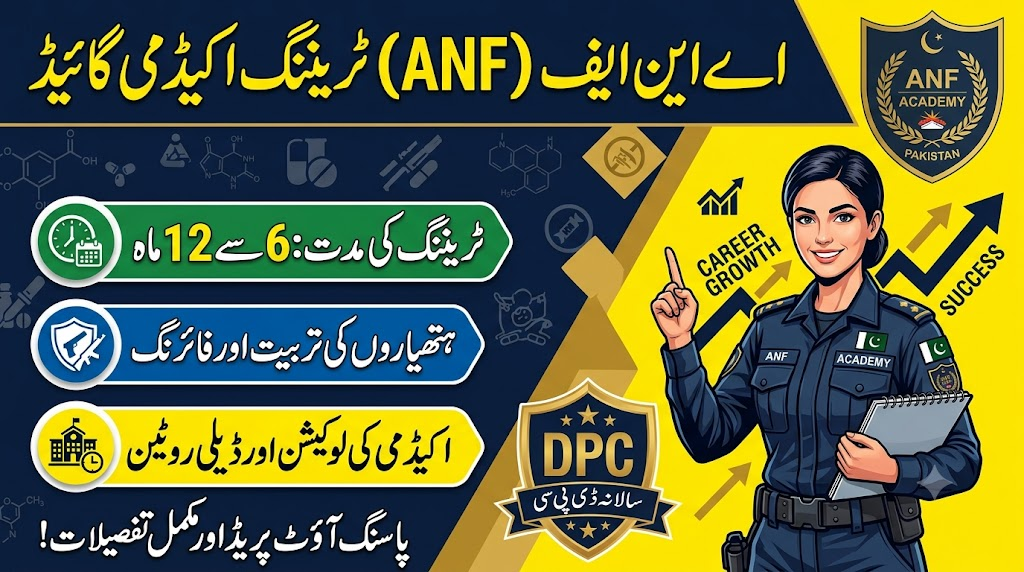
Joining the Anti Narcotics Force (ANF) is a prestigious achievement, but passing the initial selection process is only the beginning. Once candidates are officially selected for positions such as Constable (BPS-07), Assistant Sub-Inspector (BPS-11), or Sub-Inspector (BPS-14), they undergo rigorous basic tactical and professional training before being deployed to field units.
This comprehensive guide covers everything that happens after selection—including training center locations, training duration, physical endurance drills, weapon handling courses, and daily life inside the ANF Training Academy.
What Happens After Final Selection?
Once the final merit list is issued by ANF Headquarters, selected candidates receive their official Offer Letters along with medical fitness clearance guidelines.
- Reporting at Academy: Trainees are instructed to report to their assigned training center on a specified date with mandatory kit items (sports gear, uniforms, and personal identification documents).
- Medical Re-Verification: A preliminary physical/health check is conducted at the academy gate to ensure trainees are fit for intense physical endurance training.
- Issuance of Kit & Uniforms: Trainees are allotted barracks, chest numbers, and official PT/drill uniforms.
1. ANF Training Academy Locations & Centers
The primary training center for Anti Narcotics Force personnel is situated in Islamabad / Rawalpindi, while specialized or joint training modules are occasionally conducted in collaboration with other law enforcement academies across Pakistan.
| Training Center Name | Primary Location | Target Trainees / Cadres |
| ANF Academy | Islamabad / Rawalpindi | Constables, ASIs, Sub-Inspectors & Administrative Staff |
| Police Training Schools (PTS) | Regional Centers (Lahore, Karachi, Peshawar, Quetta) | Capacity-sharing for Basic Recruit Courses |
| Specialized Tactical Wings | Northern / Border Regions | Advanced Counter-Narcotics & Raid Operations |
Aslo Read More About: ANF job promotion structure career growth path
2. Training Duration by Rank & Cadre
The duration of the Basic Recruit Course (BRC) depends on the post and rank of the candidate. Higher ranks require additional modules in investigation laws and administration.
| Rank / Post | Course Name | Total Training Duration |
| Constable (BPS-07) | Basic Recruit Course (BRC) | 6 Months |
| Assistant Sub-Inspector (BPS-11) | Initial Officer Training | 6 to 9 Months |
| Sub-Inspector (BPS-14) | Probationary Officer Course | 9 to 12 Months |
| Ministerial Staff (LDC/UDC) | Basic Orientation Course | 2 to 4 Weeks |
3. Core Training Modules & Curriculum
The training program at ANF Academy is designed to transform civilians into disciplined, physically robust, and legally sharp counter-narcotics officers. The curriculum is divided into Physical, Tactical, and Academic modules.
A. Physical Endurance & Drill Training
- Daily Morning Physical Training (PT): Running (3 to 5 miles), push-ups, chin-ups, sit-ups, and obstacle course navigation to build stamina.
- Parade & Drill: Foot drill, arm drill, ceremonial parade movements, and salute protocols to instill military-grade discipline.
- Unarmed Combat (UAC): Self-defense techniques, suspect restraint holds, and hand-to-hand combat drills essential for field raids.
B. Weapon Handling & Marksmanship Course
Handling firearms safely is a critical component of law enforcement training. Trainees undergo step-by-step small arms and automatic weapons training:
- Weapons Covered: SMG (Sub-Machine Gun / AK-47), G3 Rifle, 9mm Pistols, and Anti-Riot gear.
- Safety & Stripping/Assembling: Learning how to clean, strip, assemble, and clear weapon jams under timed conditions.
- Firing Range Practice: Firing exercises conducted at live target ranges to master accuracy, trigger control, and tactical shooting positions (Prone, Kneeling, Standing).
C. Anti-Narcotics Legal & Investigation Academics
Trainees spend afternoons in classrooms learning legal frameworks, drug identification, and investigation procedures:
- Control of Narcotic Substances (CNS) Act 1997: In-depth study of legal clauses, search warrant procedures, and seizure documentation.
- Drug Identification & Testing: Recognizing organic and synthetic narcotics (Heroin, Hashish, Ice/Meth, MDMA) and using field drug test kits.
- Chain of Custody & Evidence: Proper sealing, logging, and court submission protocols for seized contraband.
- Intelligence Gathering & Raid Operations: Tactical planning for highway checkpoints, airport screening, and high-risk raid execution.
4. Daily Life & Routine Inside the ANF Academy
Life inside the academy follows a strict, time-bound schedule designed to build mental resilience and time management.
Typical Daily Schedule:
- 04:30 AM – 05:00 AM: Wake-up call, roll call, and morning prayers/prep.
- 05:30 AM – 07:30 AM: Physical Training (PT) and Long-Distance Running.
- 07:30 AM – 08:30 AM: Breakfast and uniform change.
- 08:30 AM – 11:30 AM: Drill Parade & Weapon Handling Practice.
- 12:00 PM – 02:00 PM: Lunch break, Dhuhr prayers, and resting period.
- 02:15 PM – 04:30 PM: Academic Lectures (Laws, Investigation, Intelligence).
- 05:00 PM – 06:30 PM: Evening Sports (Volleyball, Football) or extra physical workouts.
- 08:00 PM – 09:30 PM: Dinner, evening Roll Call (Fall-in), and Kit Preparation for the next day.
- 10:00 PM: Lights Out.
Passing Out Parade (POP) & First Posting
The training culminates in the prestigious Passing Out Parade (POP). Trainees display their drill skills, rifle handling, and marching discipline in front of senior ANF leadership, Director General (DG ANF), and invited family members.
Upon successful completion:
- Trainees are awarded rank badges and officially designated as active ANF officers.
- First posting orders are issued, transferring officers to Regional Directorates (Rawalpindi, Lahore, Karachi, Peshawar, Quetta) or specialized airport/border units.
Key Takeaways for New Trainees
- Physical Fitness Prep: Start basic running and push-ups before joining the academy to avoid initial physical breakdown.
- Discipline is Everything: Strict adherence to timelines and academy rules is mandatory; minor infractions can lead to extra drill punishments (Pithoo Drill).
- Focus on Legal Studies: Scoring well in academic modules helps in senior placement and future departmental promotion opportunities.
Conclusion & Final Thoughts
In summary, life at the ANF Training Academy is demanding, but it builds the physical endurance, mental toughness, and tactical expertise required for counter-narcotics operations. From rigorous morning physical drills and live-firing weapon training to mastering the legalities of the CNS Act 1997, every module is designed to prepare officers for field challenges. Graduating through the Passing Out Parade marks the beginning of a proud, honorable, and impactful career in serving and protecting the nation with the Anti Narcotics Force.
