
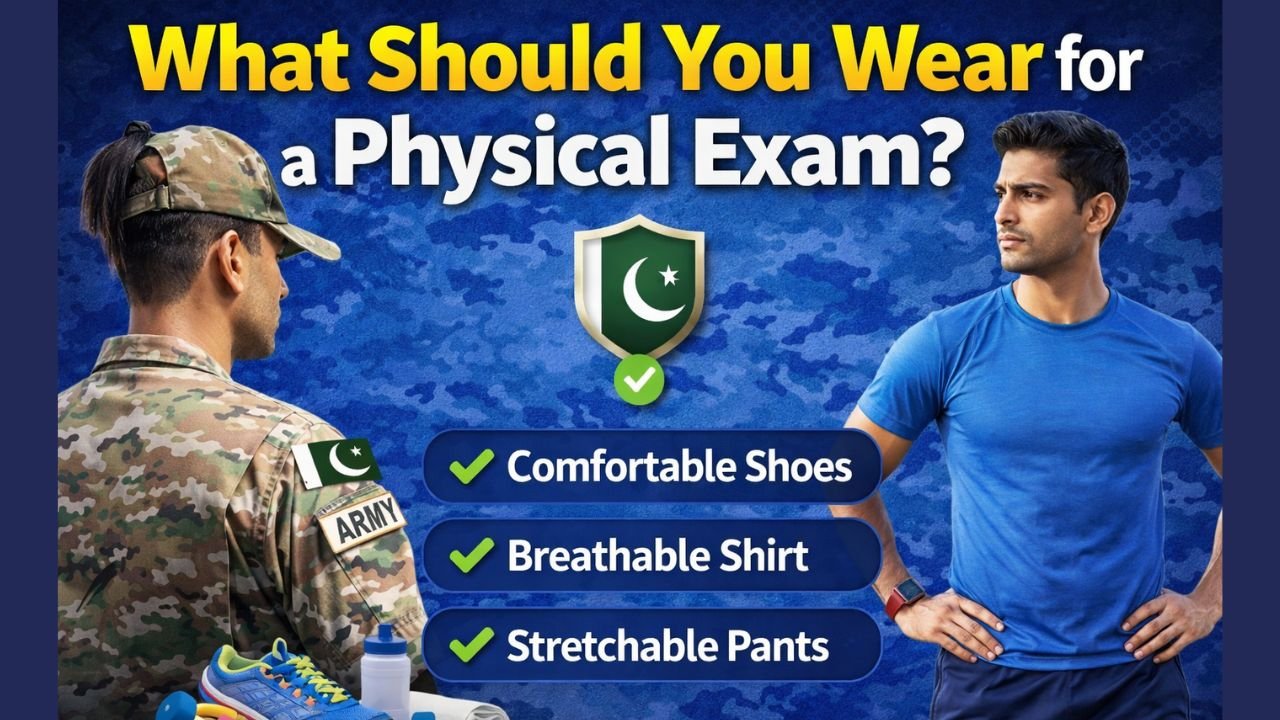
Preparing for a physical exam can be stressful, but one simple way to make the process easier is by choosing the right clothing. Whether you are going for a medical check-up, fitness assessment, or recruitment physical test like the ANF, your attire can affect your comfort, performance, and overall experience. This guide will help you understand exactly what to wear for a physical exam and what to avoid.
Why Choosing the Right Clothing Matters
Wearing inappropriate clothing can make it difficult to perform movements such as running, stretching, or lifting your arms. It can also affect how medical professionals assess your body movements or posture. Wearing the correct outfit ensures:
- Comfort and flexibility
- Accurate assessment of physical fitness
- Avoidance of embarrassment or mistakes
- Compliance with test or clinic rules
Best Clothing for a Physical Exam
The main principle is to wear something comfortable, flexible, and breathable. Here’s a detailed list of suitable options:
1. Tops
- Sports T-shirts or breathable shirts are ideal.
- Avoid tight-fitting shirts that restrict movement.
- Do not wear formal shirts or clothing with buttons or zippers that could interfere with exercises.
2. Bottoms
- Joggers, sweatpants, or shorts are best.
- Shorts are acceptable if the test requires running or leg exercises.
- Avoid jeans, pants with buttons, or skirts as they can restrict leg movement.
3. Footwear
- Running shoes or trainers with proper grip and support.
- Socks should be breathable to prevent sweat accumulation.
- Avoid sandals, slippers, flip-flops, or any open footwear.
4. Optional Accessories
- Light jacket if the test is outdoors and the weather is cold.
- Headband or wristband to manage sweat if needed.
What to Avoid During a Physical Exam
Wearing the wrong outfit can negatively affect your performance and evaluation. Here’s what to avoid:
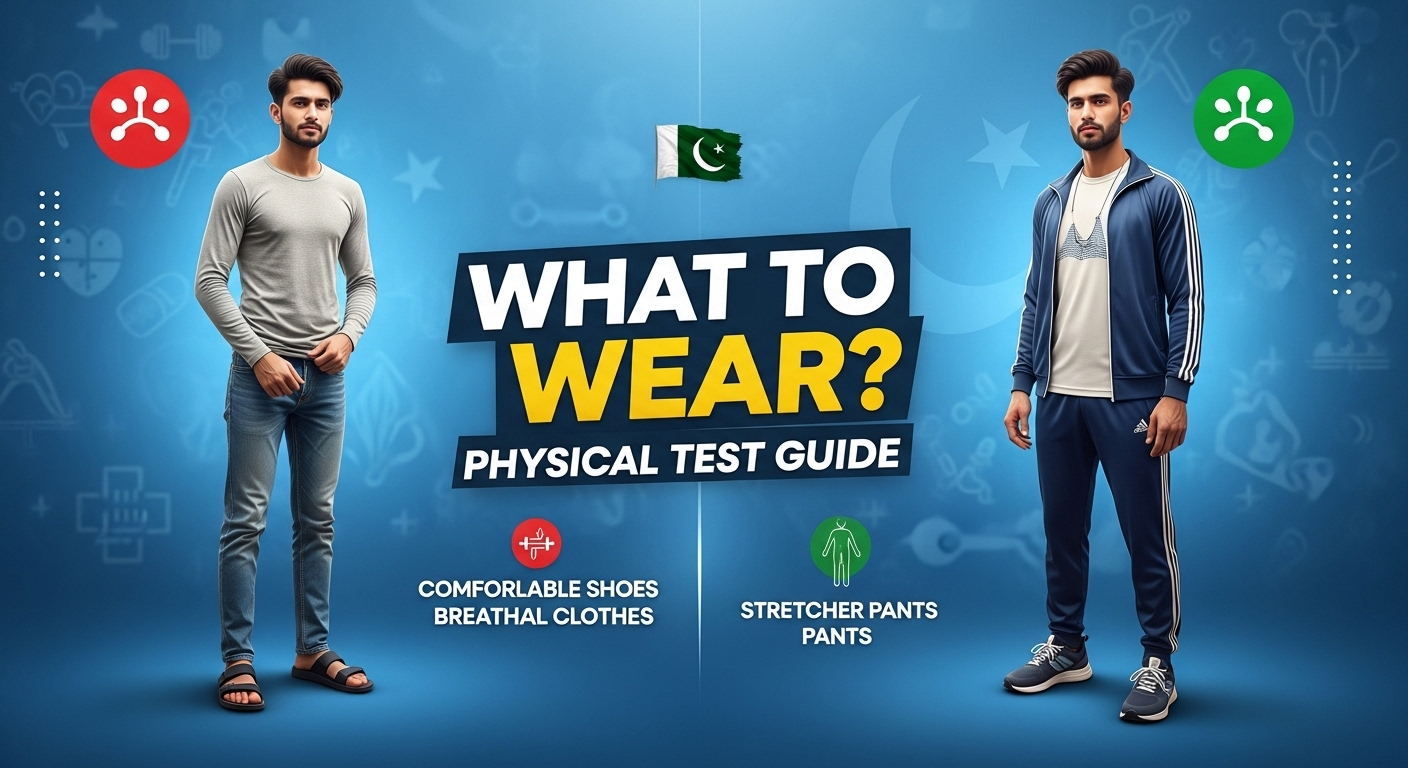
- Tight clothing: Restricts movement and causes discomfort.
- Jeans or formal pants: Hard to stretch or run in.
- Slippers or open shoes: Unsafe for running and exercises.
- Jewelry or accessories: Can interfere with measurements or exercises.
- Heavy or layered clothing: Can cause overheating, especially during outdoor tests.
Step-by-Step Guide: How to Dress for a Physical Exam
- Check the requirements: Some exams, like ANF physical tests, may specify dress code guidelines.
- Choose comfortable sportswear: Light, breathable tops and bottoms.
- Select proper footwear: Running or athletic shoes.
- Prepare your documents: Roll number slip, original CNIC, or ID (for recruitment tests).
- Avoid last-minute outfit changes: Try your clothes at home before the exam.
- Focus on mobility: Make sure you can easily bend, stretch, and run.
Tips for Maximum Comfort and Performance
- Wear moisture-wicking fabrics: They help prevent sweat from causing discomfort.
- Dress in layers if needed: For outdoor exams, a light jacket can be removed before exercises.
- Keep hair tied back: Avoid obstruction during running or jumping tests.
- Test your outfit: Practice stretching or jogging in your clothes before the exam.
Sample Dress Table for Physical Exam
| Item | Recommended Options | Avoid |
|---|---|---|
| Top | Sports T-shirt, breathable shirt | Tight or formal shirt |
| Bottom | Joggers, sweatpants, shorts | Jeans, skirt |
| Footwear | Running shoes, trainers | Slippers, flip-flops |
| Accessories | Headband, wristband | Heavy jewelry |
Common Mistakes to Avoid
- Ignoring footwear: Running shoes are essential for safety.
- Wearing brand-new shoes: Can cause blisters; wear well-fitted shoes instead.
- Overdressing: Excessive layers can overheat the body.
- Skipping warm-up: Even with the right outfit, a proper warm-up prevents injuries.
Read More: ANF Roll Number Slip Download Online Step-by-Step
FAQs About Dressing for Physical Exams
Q1: Can I wear jeans for a physical test?
No. Jeans restrict movement and are not suitable for running, push-ups, or stretching.
Q2: Are shorts allowed for ANF physical exams?
Yes, shorts are acceptable if they allow free leg movement, but make sure they are decent and comfortable.
Q3: Can I wear flip-flops or sandals?
Never. They are unsafe and usually prohibited for running or fitness tests.
Q4: Do I need to bring any documents?
Yes. Always carry your Roll Number Slip, original CNIC, and any other documents required for identification.
Q5: What if the exam is outdoors and it’s cold?
Wear a light jacket or warm-up hoodie that you can remove before physical activities. Avoid heavy coats that restrict movement.
Final Thoughts
Choosing the right outfit for a physical exam is not just about comfort, but also about ensuring accurate results and safety. Always prioritize flexible, breathable clothing and proper footwear, and avoid tight or formal attire. Preparing your outfit in advance can reduce stress and help you perform your best.
Remember, a well-prepared candidate is more confident, performs better, and avoids unnecessary mistakes.